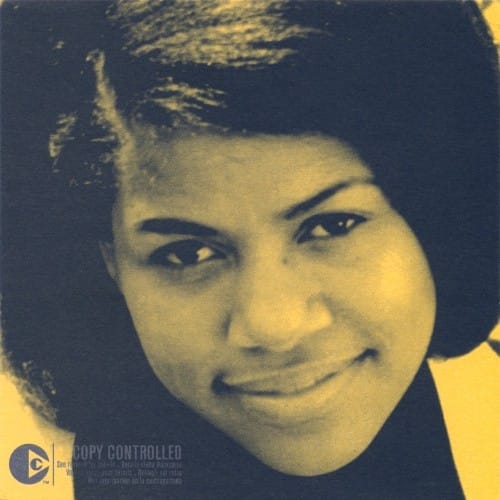
Bettye Swann's 1969 self-titled album is a quiet masterpiece of Southern soul, where her warm contralto floats over lush country-tinged arrangements. Essential for anyone who thinks they've heard all the great soul vocalists of the era.
Some voices don’t need to shout. Bettye Swann’s voice never does, and that’s exactly why this album still cuts through fifty-five years later. A warm contralto that hangs just behind the beat, every phrase measured and knowing. She sings like she’s already been through everything the song is about.
The album came together at the intersection of Muscle Shoals and Los Angeles. The rhythm section is the Muscle Shoals Sound Studios crew — Barry Beckett’s electric piano, Roger Hawkins’s tambourine-heavy drumming, David Hood’s root-note bass, Jimmy Johnson’s clipped guitar. They’re locked in, playing with a restraint that never calls attention to itself.
But the real signature is the string arrangements. Bob Florence or Bill McElhiney — sources differ, but what you hear is the same skyline of lushness that frames Dusty Springfield’s work at the same moment. Swann’s voice threads through those strings like a needle through silk.
She came to these songs with a country singer’s sense of phrasing. “I’ll Never Be Free” could have been a honky-tonk weeper in other hands. Swann turns it into something bruised, measured, devastating. “Make Me Yours,” her hit from 1967, is here — a slow-burning plea that the Muscle Shoals rhythm section lifts into church territory. The song builds and subsides like breath.
The material draws from both sides of the Southern songbook. “Then I’ll Be Over You” leans into pop-soul with a walking bassline that’s pure Detroit. “My Heart Belongs to You” is almost a standard, written by Swann’s husband Wayne Shuler — a ballad so patient it feels like a conversation at 2 AM.
You can hear the dust on this record. Not in a bad way. The Capitol LP had a certain compression to it, the voices sitting up front, the horns and strings pushed just behind. It was engineered for radio, for car speakers, for the kind of listening that happens in real rooms with real people.
Swann had been recording since the early ’60s in Los Angeles, first for Money Records, then Fame, then Capitol. She never got the push that Aretha or Gladys got. Not the marketing, not the crossovers. But listen to this record’s version of “A Place in the Sun” — that cover of Stevie Wonder’s hit. She doesn’teffort his leaps or runs. She just inhabits the lyric, deep in her register, and the melody gains a wisdom it never had before.
This album isn’t showy. It doesn’t announce itself. It’s the sound of a woman who knew exactly what her voice could do, and trusted the song to meet her there. The arrangements are opulent but never oppressive. The band plays with the kind of telepathy that comes from living in the same pocket for years.
What makes Bettye Swann endure is its refusal to perform. There’s no break in the voice, no reaching for effect. When she sings “I’ll Never Be Free,” you believe she’ll carry the weight of that line for the rest of her life.
Some albums are perfect because they know exactly what they are. This is one of them.