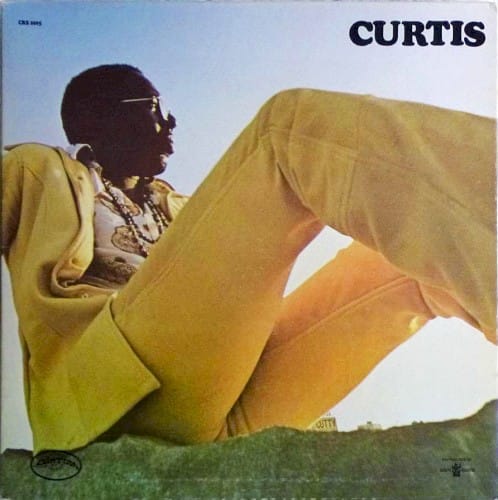
The first thing you hear on Curtis is a warning. A telephone rings, a man picks up, and the voice that answers sounds like the world is already over. “Sisters! Niggers! Whiteys! Jews! Crackers!” — the litany spits out like a curse, and before you’ve settled into the groove, Curtis Mayfield has already told you what this album is about. It isn’t a party. It isn’t a seduction. It’s a reckoning.
Curtis had spent a decade smoothing out harmonies with The Impressions, turning gospel into a kind of secular prayer. But by 1970, the prayer had changed. The assassinations, the burnings, the slow bleed of a movement turning inward — you can feel all of it in the way he re-approaches the microphone. His voice still floats, still impossibly high and tender, but now it carries a blade.
A New Sound, A New Label
He didn’t just leave The Impressions. He built his own machine. Curtom Records gave him total control — writing, production, publishing. That autonomy is stamped into every groove of Curtis. The strings aren’t decorative; they’re a second voice. The horns don’t punctuate; they argue. And the rhythm section doesn’t just keep time; it threatens to break free and start its own revolution.
The album opens with a seven-and-a-half-minute sermon disguised as a funk track. "(Don’t Worry) If There’s a Hell Below, We’re All Going to Go" isn’t a threat — it’s a statement of fact. The bassline lurches, the wah-wah guitar digs in, and Mayfield’s falsetto floats above the chaos like a survivor watching the flood rise. He’s not preaching to the choir. He’s telling the choir to get out of the church.
"Move On Up" is the only song here that could be mistaken for a pop single, and even that one is a nine-minute manifesto dressed in horns and congas. It’s relentless. It builds like a revival meeting where the preacher has traded his Bible for a blueprint. The message is simple: keep going. But the arrangement makes it sound like the only possible choice.
The Weight of the Word
There’s a quiet power in the ballads too. "The Other Side of Town" feels like a conversation you weren’t supposed to overhear — a man talking to himself about what it means to be invisible in a country that only notices you when it’s afraid. And "We the People Who Are Darker Than Blue" is the album’s thesis statement, delivered in a voice so gentle you almost miss the anger underneath.
Curtis Mayfield understood something that few of his peers did: revolution doesn’t have to shout. It can sing. It can sway. It can build a bridge out of harmony and then walk across it barefoot.
The album closes with "Stare and Stare," a track that breaks into pure gospel at the end, as if he needed to remind you where this all started. And maybe he did. Because Curtis isn’t a break from his past — it’s a deepening of it. The church didn’t disappear. It just moved into a larger building.
---