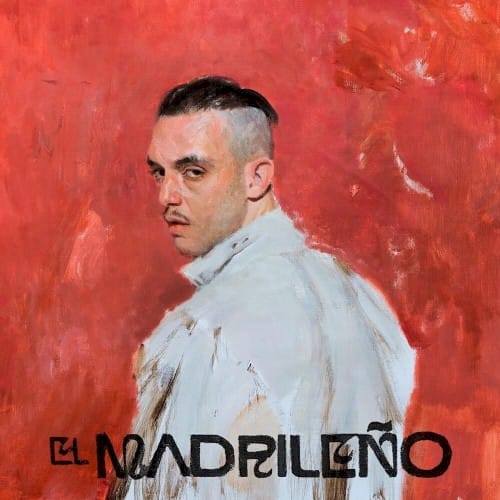
C. Tangana’s *El Madrileño* is a radical, tender reclamation of Spanish folk music—flamenco, copla, rumba—filtered through trap beats and autotune. It won the Latin Grammy Album of the Year because it sounds like nothing else that year, and because it never forgets that heartbreak sounds best when it syncopates.
You hear the crackle of a dying ember before the downbeat on “Muriendo de Envidia.” It’s a sound you don’t expect from a guy who came up making reggaeton and trap—a deliberate, almost devotional gesture toward the old ways. This is C. Tangana, born Antón Álvarez, a Madrid kid who spent his twenties becoming one of Spain’s biggest urban artists, then spent his thirties trying to figure out what the hell that meant.
El Madrileño was recorded in fits and starts between 2019 and 2021, mostly at studios in Madrid and Barcelona, with producer Alizzz (who also co-wrote most of it) acting as the album’s structural foil. They worked with a rotating cast of session musicians pulled from flamenco tablaos, jazz conservatories, and the pop world. The bassist, José Luís Montón, is a flamenco master; the percussionist, Antonio Carmona, came from the legendary flamenco-pop group Ketama. The result sounds less like a crossover and more like a séance.
“Ateo,” featuring Nathy Peluso, opens with a guitar line that could be from a 1950s Spanish copla, then slides into a beat that rattles like a trap hi-hat running sideways. Peluso yells “¡Que viva el barrio!” and the whole thing collapses into a coda of palmas flamencas. It shouldn’t work. It works like a forgotten memory that you suddenly realize you lived.
The Geography of Grief
The album’s title isn’t just a location—it’s a posture. Tangana treats Madrid as a character, a place where flamenco was always a street music before it was a conservatory subject. “Demasiadas Mujeres” is a single, but it’s also a thesis: he lists women he’s loved, left, or been left by, and the backing vocals are sung by La Húngara, a flamenco singer from Seville whose voice carries a century of longing. The juxtaposition is the point. He’s not ashamed to sound like a pop star; he’s also not ashamed to let an old woman’s vibrato tear the song open.
The engineering here is precise but not sterile. The mix is vocal-forward—Tangana’s voice sits right in front of you, autotune dialed back just enough to let the cracks through. Drums are wide and dry, with the kick and palmas panned hard left and right on several tracks, pulling you into the same room where someone is slapping their hands in time. It’s an album made for headphones late at night, but it also sounds good in a car with the windows down—a rare feat.
The Guests and the Ghosts
Jorge Drexler appears on “Nominao,” and the Uruguayan songwriter’s quiet precision acts as a counterweight to Tangana’s swagger. Toquinho, the Brazilian guitarist who played with Vinícius de Moraes, contributes an acoustic solo on “Tú Me Dejaste de Querer” that sounds like it was recorded in 1972. It was, in a sense: Toquinho laid it down in São Paulo and sent the files to Madrid.
The album won the Latin Grammy for Album of the Year in 2022, beating out more conventional pop and reggaeton projects. That upset says more about the voters than the music—El Madrileño isn’t a nostalgic throwback. It’s a living, breathing hybrid that understands tradition as a verb, not a noun. Tangana doesn’t imitate flamenco; he inhales it and breathes out something that sounds like his grandmother’s weeping mixed with a drunken night in Chueca.
There’s no closing grand statement. The last track, “Canción de la Noche,” fades out on a single guitar note and the sound of someone walking away. You’re left alone with the silence, wondering what just happened, and whether you should start it all over again.