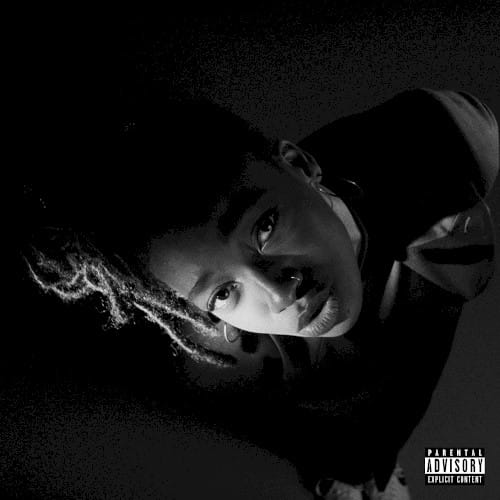
Little Simz's GREY Area is a lean, precise UK rap album that cuts through the noise with sharp writing and even sharper production. It balances street-level grit with studio-bred clarity, and it made her name without a single compromise. Anyone who thinks modern hip-hop lacks craft needs to hear this.
The first time I heard “Offence” come through my speakers, I stopped what I was doing and just listened. That doesn’t happen often anymore. The beat hits like a punch you saw coming but couldn’t avoid — sparse, stuttering, all low-end and space. And then Simz’s voice, threading through the gaps: “My niggas ain’t goin’ to jail for a whip.” It’s a statement of self-made success and defiance, delivered with the kind of authority that can’t be faked. I remember sitting there on the edge of my chair, the room otherwise silent, and thinking: this is what it sounds like when someone has been waiting for her moment and is ready to own it.
What strikes me first about GREY Area is its restraint. The album runs just over half an hour, and every second feels like it had to earn its place. No filler, no skits, no wandering. Simz and her producer Inflo built these tracks like they were carving marble — they left only what was necessary. The beats are skeletal but never thin. Listen to “Boss,” where a looping synth line and a scattered hi-hat provide all the framework she needs. Her voice is the melody, the rhythm, the argument. It’s a masterclass in trusting the vocalist to carry the weight.
I’ve read that much of the album was recorded in Inflo’s home studio in London, with little outside interference. That’s all over the sound — it’s intimate without being claustrophobic, personal without being confessional. The mix is dry and present. Drums crack with a tactile snap. The bass on “Selfish” curls around the stereo image like smoke. You can hear the room, or at least the lack of one — these are recordings that breathe because no one tried to polish them into submission.
The features are sparse and chosen with surgical precision. Cleo Sol’s warm alto on “Selfish” balances Simz’s sharper edge, and Chronixx brings a reggae lilt to “Wounds” that feels less like a collaboration and more like a necessary counterpoint. But this is Simz’s show. She doesn’t fade on any of them. That’s rare. Most albums that lean this heavy on production risk the vocalist getting lost; here, the production exists to frame her, not overshadow her.
One detail I’ve always appreciated: the drum sounds on “Pressure” are almost harsh. The snare cuts like a slap. It’s not an accident. Every sound on GREY Area is deliberate, down to the way the album ends on “Therapy” — a slower, ruminative track that doesn’t try to close the album with a bang. It closes with a breath. That kind of editing intelligence separates a good record from a great one.
Years later, I still reach for this album when I need to remember that rap at its best is a craft, not a genre of convenience. Little Simz made it in a home studio with a small team and a big vision. She didn’t need a label’s co-sign. She didn’t need a chorus of guest stars. She just needed a pen, a beat, and the conviction to say exactly what she meant.