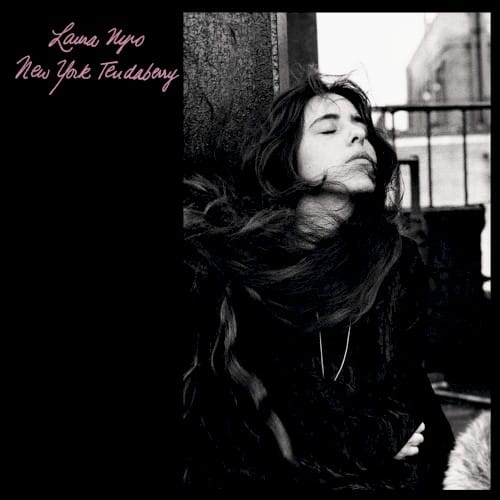
Laura Nyro's 1969 masterpiece is a piano-and-voice exorcism that marries gospel fervor, Broadway melodrama, and soul-jazz dissonance into something that sounds like it was recorded in a cathedral during a thunderstorm. It's her most unhinged and essential record.
She sings like someone who knows the world is ending but has a few more things to say before the lights go out. On New York Tendaberry, Laura Nyro doesn’t just perform—she wrestles the piano into submission, throws her voice against the studio walls, and somehow makes the chaos feel like the most honest thing you’ve ever heard. It’s an album that sounds like it was recorded in a single, breathless take, even though the arrangements are dense enough to require a road map.
Recorded at A&R Studios and Columbia Recording Studio in New York, the sessions were helmed by engineer Don Hahn, who had worked on Eli and the Thirteenth Confession the year before. Hahn later said Nyro would record her piano and vocal live, then overdub her own harmonies—sometimes stacking a dozen tracks of her voice until the air in the room seemed to vibrate. The backing band was a rotating cast of New York session royalty: bassist Chuck Rainey, drummer Grady Tate, and guitarist Hugh McCracken, all of whom had played on everything from Aretha Franklin to Paul Simon records. But this was Nyro’s show through and through. She played a Baldwin grand, and she played it like she was trying to break its heart.
The album’s title is a Nyro-ism, that untranslatable word “tendaberry” suggesting something bruised and sweet, a fruit you’d find on a city street after a rainstorm. And that’s exactly what the music sounds like: bruised, sweet, emphatically alive. Opener “Time and Love” announces the palette immediately—a piano figure that jabs and releases, a vocal that swoops from a whisper into a raw, chest-out belt. Then comes “Lonely Woman,” a song that Horace Silver covered a few years earlier, but Nyro makes it her own by stripping it of all jazz cool and replacing it with a kind of desperate, soulful heat. She doesn’t just sing the notes; she inhabits them like a woman trying to squeeze blood from a stone.
The City as a Co-Author
New York is everywhere on this record, but not the folkie’s Greenwich Village or the rocker’s Chelsea Hotel. This is the New York of subway grates and fire escapes, of street-corner preachers and women who’ve been ghosted one too many times. Nyro writes the city as a character—sometimes kind, mostly indifferent, always present. The title track “New York Tendaberry” unfolds like a one-act opera, its verses shifting from spoken-word intimacy to a full-throated chorus that could fill a Broadway house. When she hits the line “My sweet New York, my New York Tendaberry,” there’s an ache in her voice that suggests she’s singing to a lover who’s already left.
Side two opens with “Save the Country,” a song that would later be covered by everyone from The Fifth Dimension to Barbra Streisand. But nobody ever sang it like Nyro does here. She starts at a conversational pace, then builds and builds, the piano chords growing more insistent, her voice climbing until it breaks into a strained, ecstatic cry. It’s the sound of someone trying to outrun despair with joy—a protest song that doesn’t march so much as it levitates.
The Arrangements That Shouldn’t Work
Charles Calello’s string and horn arrangements are a crucial part of the album’s DNA. On paper, they should be overkill: lush, orchestral, borderline schmaltzy. But in practice, Calello understood that Nyro’s voice was already a full orchestra, so he wrote arrangements that either tangle with her or step aside. The strings on “Gibsom Street” spiral around her like a swarm of hornets; the horns on “Mercy on Broadway” hit like a gospel choir that’s been drinking. It’s a dangerous tightrope between sophistication and excess, and Nyro walks it without a net.
Her piano playing is easy to overlook given the vocal acrobatics, but listen closely to the left-hand figures on “Sweet Lovin’ Baby"—that’s a pianist who studied McCoy Tyner as much as she did Gershwin. She doesn’t comp chords; she punches them. She doesn’t run scales; she throws handfuls of notes like gravel at a window. The result is an album that feels simultaneously composed and improvisatory, like a dream where every detail is both planned and out of control.
This is not an easy listen. It’s demanding, claustrophobic, sometimes exhausting. But that’s the point. Nyro wasn’t interested in comfort. She was interested in truth, and the truth of New York Tendaberry is that love, hope, and city life are all magnificent messes. She died of ovarian cancer in 1997, far too young. This record is the sound of her not wasting a single breath.