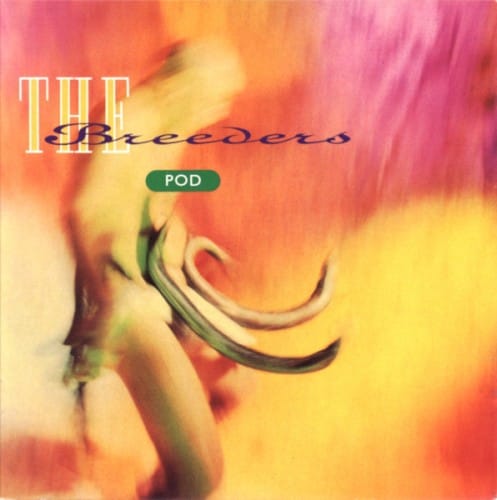
The Breeders' debut is a jagged, funny, and volatile thing—Kim Deal and Tanya Donelly stepping out from behind their famous bands to make a record that sounds like a band of friends arguing in a concrete room. It’s the sound of quiet people being loud for once, and it still doesn't sound like anything else.
Palladium Studios in Edinburgh didn’t look like much in 1990. It was a basement space with bad lighting and a control room so small you could touch both walls if you stretched. Steve Albini sat at the board, which meant the room mics were up, the compression was minimal, and the door stayed shut until you got the take. The Breeders—Kim Deal, Tanya Donelly, Josephine Wiggs, and a drummer named Britt Walford using the alias Shannon Doughton—came in with songs that were half-formed and played them until they snapped into place.
Albini later called the sessions “unpleasant” because the band was nervous and he was impatient. But what came out of that tension is a record that doesn’t lie. Every guitar string buzz is audible. Every hesitation between verses is there. You can hear Kim Deal counting off in the background of “Glorious” like she’s daring herself to start.
The rhythm section is the sleeper weapon. Walford had just finished recording Slint’s Spiderland when he showed up, and his drumming on Pod has that same off-kilter precision—fills that land a half-step early, snare hits that sound like someone slamming a book shut. Josephine Wiggs, best known as a bassist, played a Danelectro guitar on this record, tuned low and sloppy, doubling Deal’s bass lines in a way that thickens the low end without cleaning it up.
Tanya Donelly’s voice floats above the noise like a light left on in an empty house. On “Doe,” she sings so softly you lean in, which makes it even more unsettling when the guitars drop into that grinding middle section. She and Deal never quite lock into harmony. They orbit each other, and the friction is the point.
The album has two cover songs. “Happiness Is a Warm Gun” gets dismantled and rebuilt into something that lurches and lunges—Deal sings the verses like she’s reading a ransom note. The other cover is “Drivin’ on 9,” a weird country-folk song by a guy named Ed’s Redeeming Qualities, and the Breeders turn it into a bouncy, creepy road trip. It’s the one moment where Pod sounds like it might be fun, until you listen closer and realize the narrator is driving a stolen car with a dead body in the back.
That mix of humor and dread is what holds Pod together. These are songs about obsession, isolation, and bad decisions, but the band never lets them get precious. The guitar solo in “Crying Wolf” is just five notes played over and over, because anything more would be dishonest. The seven-minute closer “Metal Man” ends with Deal repeating a line about a man who wears a dress, her voice dropping lower with each repetition until it’s barely a whisper.
The album runs just over thirty-two minutes. It doesn’t outstay its welcome. When it’s over, you feel like you’ve been in a room with people who told you everything and nothing.
I’ve never heard another record that sounds quite like this. The Pixies had the dynamics, Throwing Muses had the élan—but Pod has something else. It sounds like a band that doesn’t know if they’re going to make another album, so they put every decision they were scared to make into the first one. They did make another, and it was good. But this one still feels like the real one.