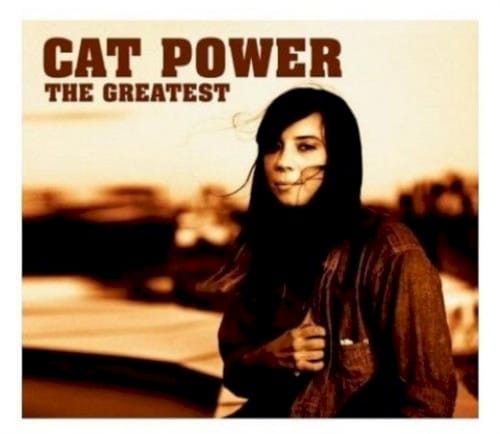
Cat Power's *The Greatest* is a Memphis soul album made by a woman who had no business making one — and it's her finest work. Recorded at Ardent Studios with the Hodges brothers and the city's best session players, it's warm, bruised, and absolutely effortless. If you only know her from covers or the early lo-fi stuff, this is the one.
The first time I heard “The Greatest,” I pulled the car over. It wasn’t the lyrics yet — it was the way the horns came in behind her voice, soft as a hand on a shoulder. That sound. That particular Memphis light. Chan Marshall had been making records like a ghost for a decade, and here she was, suddenly, in color.
She went to Ardent Studios in Memphis with Stuart Sikes producing. The choice of engineer tells you everything: Sikes had worked with Cat Power before, on You Are Free, but this time they wanted something older. They wanted the room. The tape. The feeling of a band breathing together. They brought in the Memphis Rhythm Band — Al Green’s rhythm section, essentially. Teenie Hodges on guitar. Leroy Hodges on bass. Charles “Skip” Pitts on the wah-wah guitar. These guys had played on “Let’s Stay Together.” They didn’t do singer-songwriter confessionals. They did soul.
And yet the record worked. It worked because Marshall didn’t try to match them. She stayed small. She let the band carry the weight, and her voice floated on top, cracked and unsteady in all the right places. “Could We Be Loved” sounds like it was recorded at two in the morning after someone said something they couldn’t take back. The title track is a slow waltz that keeps threatening to break apart. It never does.
The album was released in 2006 on Matador. It was a commercial breakthrough — her first to crack the Billboard 200. But more importantly, it was the first time her music sounded like it belonged to her. Earlier records felt like sketches, beautiful and incomplete. The Greatest feels like a photograph you’d keep in your wallet.
I’ve heard people say this record is too clean, that it sanded off the edges that made Cat Power interesting. I don’t agree. What she did here was harder than another folk-punk record. She let other people play. She trusted them. And in doing so, she found a voice that didn’t need to shout.
The production is analog and unhurried. The bass is round, the drums are in the pocket, and the strings — arranged by Marshall herself — are used sparingly, like salt. Listen to “Lived in Bars” on a decent pair of headphones. The acoustic guitar sits behind the vocal by a few inches. The violin comes in on the second verse and then pulls back. It’s the work of someone who knew exactly what not to do.
“Love & Communication” is the hidden gem. A bouncing piano line, a horn section that kicks in like a second thought, and Marshall singing about fear and hope in the same breath. It’s almost fun. Almost.
This is a late-night record. The kind you put on after the house quiets down. The kind that makes you want to pour something amber and let the needle ride out the runout groove. It’s not perfect — nothing is — but it’s honest. And that’s rarer than perfection.