Further Reading
- Impulse Records in the 1960s: How the House of Fire Burned
- How to Listen to Jazz for Beginners (And Actually Hear It)
- Best Sounding Jazz Albums Ever Recorded: Where to Start
More from John Coltrane
🎵 Key Takeaways
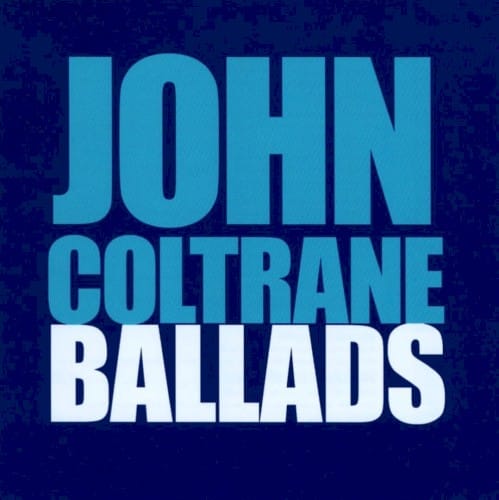
- {'bullet': "🎷 Recorded at Van Gelder Studio in 1961-1962, Ballads captures Coltrane's quartet at peak cohesion with a warm, burnished tone that prioritizes restraint over virtuosity."}
- {'bullet': "⏸️ The album proves Coltrane's genius extended beyond sheets of sound and free jazz experimentation—his melodic phrasing and harmonic sophistication shine through intimate, stripped-down arrangements."}
- {'bullet': "🎚️ For audiophiles, Ballads ranks among the best-engineered jazz records ever pressed, with Van Gelder's mastery of dynamic range and spatial separation making it a reference-grade listening experience."}
- {'bullet': '🤝 The classic Coltrane quartet (Tyner, Workman, Jones) locks into conversational interplay on these standards, revealing how trust between musicians can be as powerful as technical display.'}
When was Coltrane's Ballads recorded and where?
Ballads was recorded at Van Gelder Studio between 1961 and 1962 during the classic quartet era. These sessions captured Coltrane's quartet at one of their most unified periods, with ideal engineering conditions that preserved the intimacy of the performances.
What makes Ballads different from Coltrane's other albums?
While albums like A Love Supreme and Giant Steps showcase Coltrane's harmonic complexity and innovation, Ballads demonstrates his restraint and melodic mastery through slow-tempo standards. It's essential listening for understanding that Coltrane's genius wasn't limited to speed or avant-garde exploration.
Who played on Ballads?
The classic Coltrane quartet—McCoy Tyner on piano, Jimmy Garrison on bass, and Elvin Jones on drums—backed Coltrane throughout the sessions. Their interplay and sensitivity to space is central to the album's intimate character.
Why is Ballads considered one of the best-sounding jazz albums?
Engineer Rudy Van Gelder's mastery of dynamic range and spatial separation during these sessions resulted in exceptional clarity and separation between instruments. The warm tone capture and minimal processing make Ballads a reference recording for audiophile systems.
Further Reading
- Impulse Records in the 1960s: How the House of Fire Burned
- How to Listen to Jazz for Beginners (And Actually Hear It)
- Best Sounding Jazz Albums Ever Recorded: Where to Start
More from John Coltrane
Further Reading
- Impulse Records in the 1960s: How the House of Fire Burned
- How to Listen to Jazz for Beginners (And Actually Hear It)
- Best Sounding Jazz Albums Ever Recorded: Where to Start
More from John Coltrane
Related Listening
A masterful ballad collaboration that, like Coltrane's Ballads, showcases two giants finding profound expression in slow, tender tempos.
Milt Jackson’s velvety vibraphone ballads share the same contemplative warmth and unhurried emotional resonance as Coltrane's 1963 set.
Though more varied, its ballad moments like 'I'm Old Fashioned' foreshadow the lyrical depth Coltrane fully embraces on Ballads.
Benny Golson’s tenor sax balladry on this album mirrors Coltrane’s ability to make every note breathe with soulful simplicity.
A collection of ballads that further proves Coltrane’s mastery of slow, tender phrasing, directly parallel to the Ballads album.
Ben Webster’s iconic ballad album epitomizes the same gentleness and sweltering emotion that Coltrane captured in 1963.
This trombone ballad session delivers the same unhurried, heartfelt lyricism that makes Coltrane’s Ballads so compelling.
Harold Land’s tenor sax balladry on Peace radiates the same introspective calm and melodic purity as Coltrane’s Ballads.
More records worth your time.